


Throughout art history, everyone has tried to keep the canvas clean. White walls, sterile galleries, collectors wearing gloves, “please do not touch” signs… As if art becomes damaged the moment it comes into contact with people. But the best surfaces are the dirty ones.
This is where Nare begins. What looks like dirt is actually the polish of use. The side effect of a long-term relationship between the human hand and an object. A kind of physical archive. The shiny part of a doorknob, the permanent stain on a table, the darkened handle of a bag carried for years… These are all tiny performance records.
Most things we see in museums are overprotected. Nare says the object is still alive.Painting works the same way. The most interesting works usually emerge when control slightly slips away. Paint dripping, pigment accidentally smeared by the artist’s hand, varnish cracking years later… The kinds of details that give restorers anxiety and art historians excitement.Because flaws add time to an object. Modern art understood this early on. When Duchamp placed a urinal in a gallery, the issue wasn’t aesthetics; it was the redirection of contact. While Pollock worked on the floor, he wasn’t simply painting on canvas; he was moving around it, splattering paint, leaving a physical trace. Basquiat’s works sometimes appear unfinished because he refuses to erase excess. Cy Twombly leaves his marks looking like scribbles because some things die once they’re corrected. That is Nare.
The un-erased. Because the human hand does not work cleanly. It leaves marks. It leaves oil. It polishes. It wears things down. Sometimes it ruins them entirely. But that is exactly why a surface feels alive.
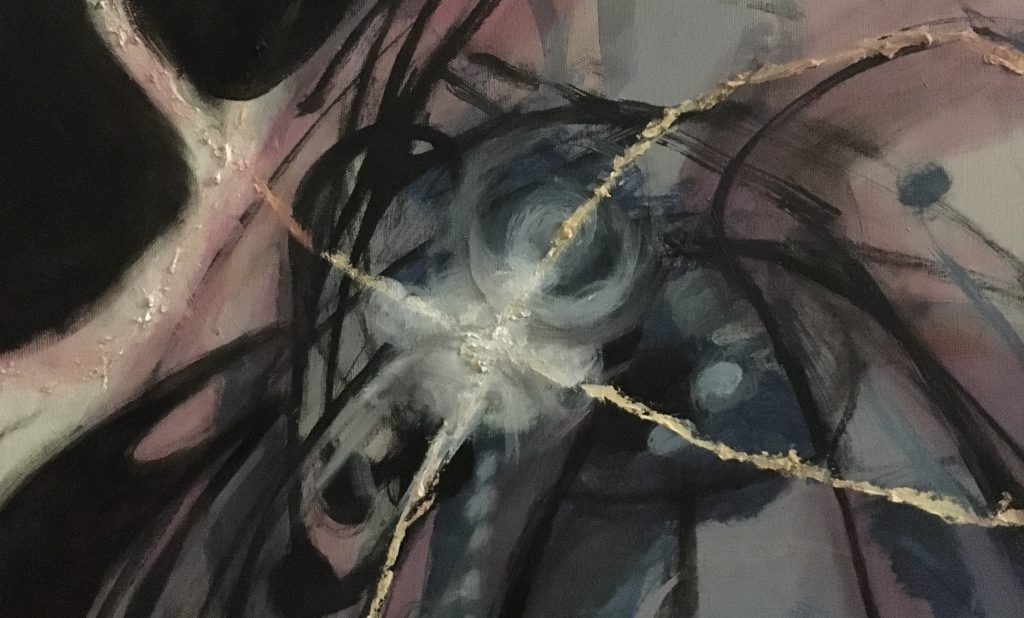
Today, in galleries, the word “patina” sounds aesthetic. The same thing in a kitchen is called “dirty.” In reality, they are identical:
a layer left behind by repeated contact. Nare does not aestheticize this layer. It does not romanticize it either. It simply suggests this: If you touch an object long enough, eventually the object begins to carry you.
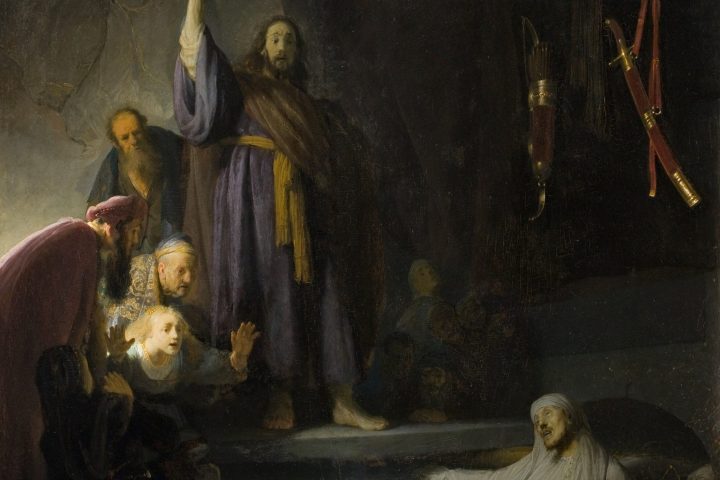
Maybe this is why artworks look better as they age. Because what the artist made does not end with time; it continues leaving traces. People look at it, move it, clean it, damage it, restore it. The work accumulates users on its own surface.
At a certain point, the viewer becomes as responsible for the painting as the painter. This is exactly where Nare stands: a small sabotage against the idea of the perfect surface. We exist only as much as the dirt on our hands.