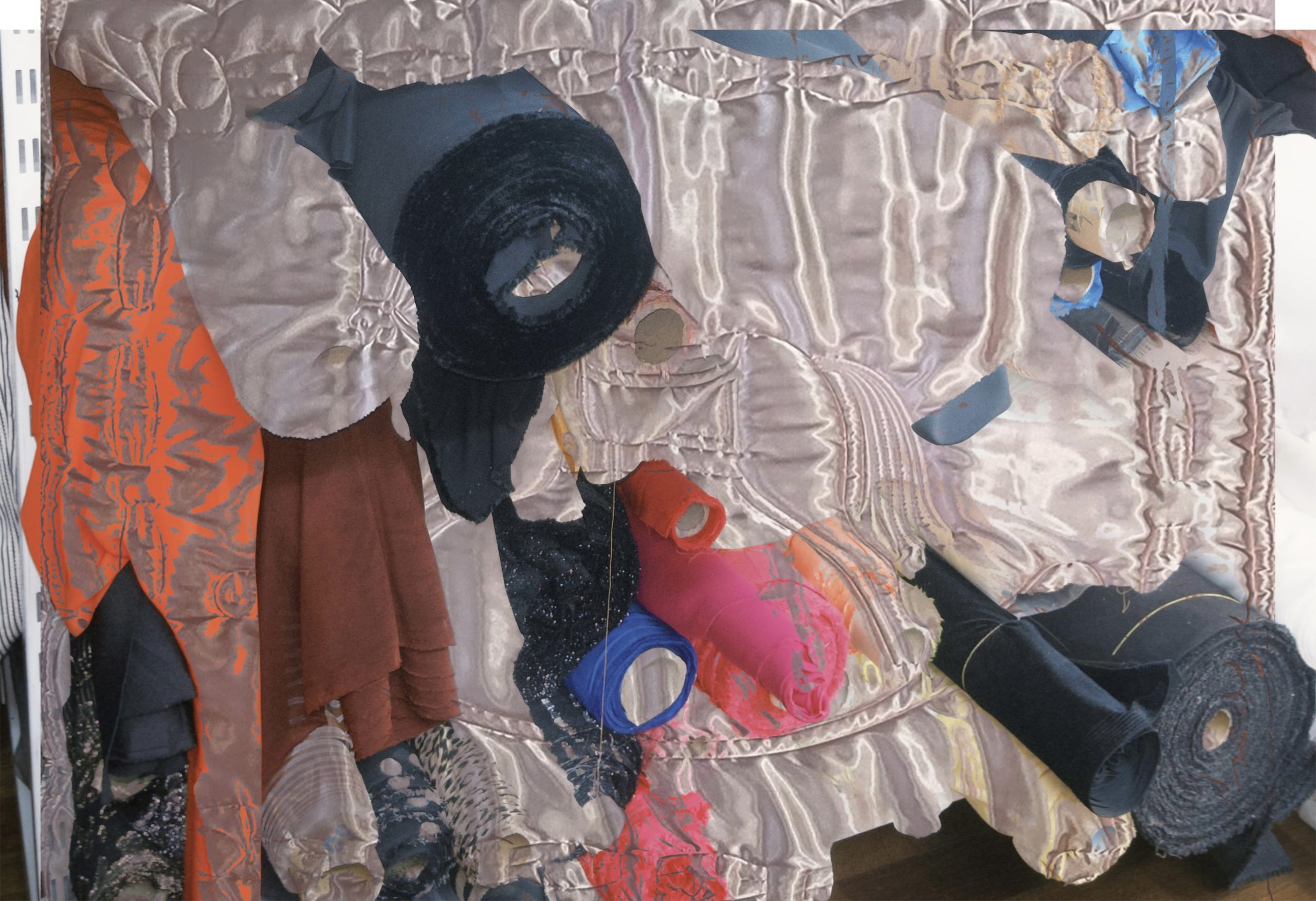

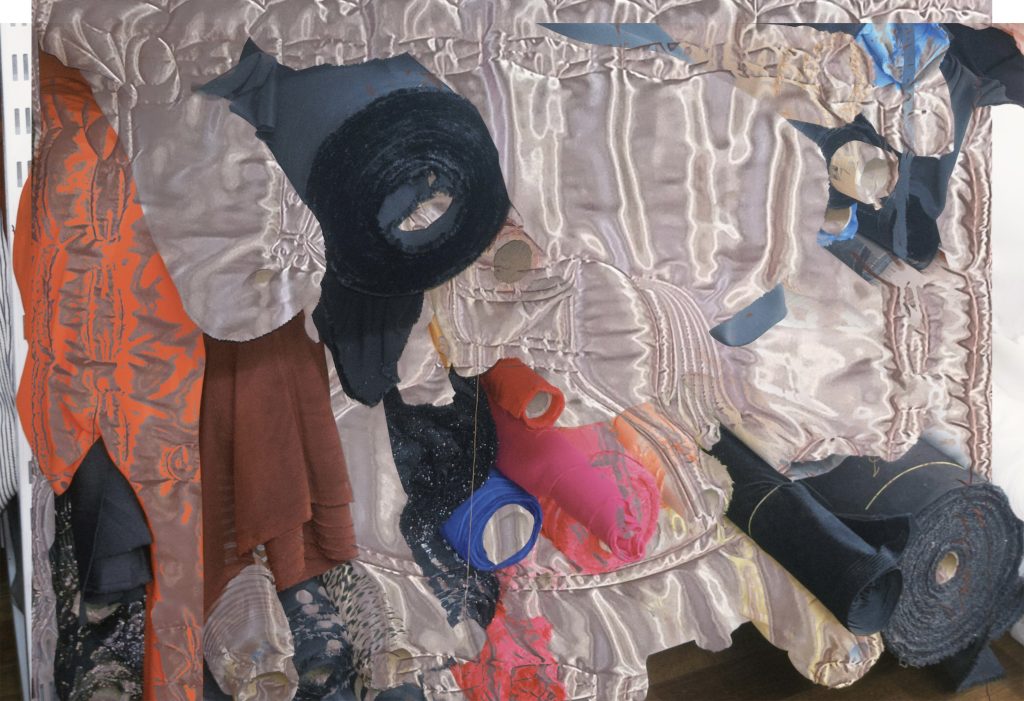
Wabi-sabi is a way of thinking rooted in Zen Buddhism that embraces impermanence, incompleteness, and imperfection as aesthetic values. It carries a quiet yet powerful resistance to contemporary consumer culture, where perfection is endlessly polished and idealized. Rather than being a merely superficial aesthetic choice, it encompasses the entire emotional relationship between designer and consumer with the world from production to narrative. This approach makes flaws visible instead of concealing them, imbues aging with meaning rather than devaluing it, and advocates continuity over speed.
Although there is a part of us that feels as if we have seen, talked about, worn, and taken off everything by now, every day a new trend, brand, or designer continues to surprise, provoke conversation, and dress us. Through the atmosphere of what they wear, a person can express their profession, their beliefs, the culture they embrace, or whether they belong or do not belong to a certain community, and it is never only about what we wear. Wearing a uniform or a wedding dress can speak loudly, yet it does not explain what it liberates or what it suppresses.
Fashion constantly changes, contracts, and expands through cultural transformations, economic fluctuations, technological developments, and social expectations. The moment a garment becomes fashionable is shaped not only by the designer’s aesthetic choices, but also by the emotional state of the society it exists within. It both individualizes and suppresses. It both creates and consumes. It is played out mutually and applauded mutually.
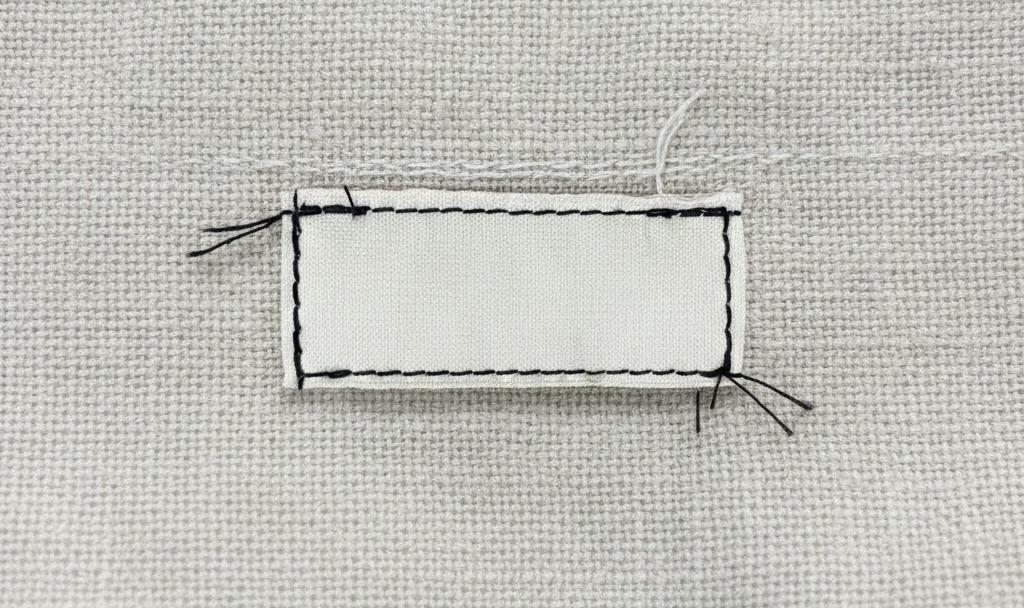
For a long time, the fashion industry idealized smoothness, standardization, and mass production. At this very point, however, an opposing stance emerged: a crooked seam, a hand-painted surface, frayed fringes, a fabric that fades over time each of these was turned into a part of the narrative. This aesthetic reads “imperfection” not as an error, but as a trace; the design transforms beyond the moment of its creation, shaped by the wearer’s body and the passage of time.
This approach removes fashion from being merely a field of visual gratification and carries it into an experiential and intellectual ground. The garment ceases to be a fixed object and becomes a living presence one that gains meaning as it is worn and aged while fashion itself exists as a living organism.
Attitude – Wabi
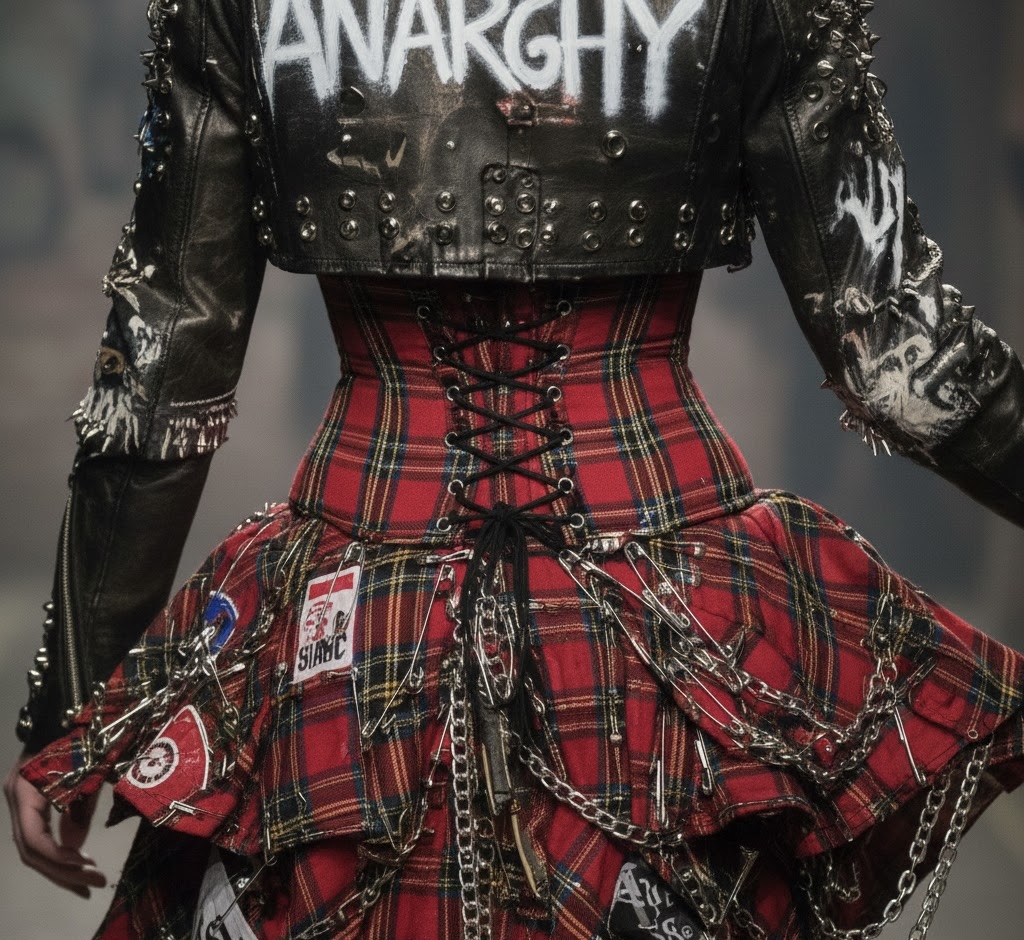
These opposing forces within fashion become most visible in the practices of activist designers. Vivienne Westwood stands at the forefront of these figures. Drawing from her punk roots, Westwood’s design language employs imperfection and disharmony as deliberate political tools. Deformed silhouettes, the fragmentation of historical references, and a tense relationship with the body represent for her not merely an aesthetic choice, but an ideological stance. Westwood openly used fashion as a site of protest, taking a stand against the climate crisis, consumerist excess, and political indifference.
Yohji Yamamoto and Rei Kawakubo, on the other hand, embody a more introspective and philosophical approach. Yamamoto’s relationship with shades of black renders concepts of emptiness and silence visible. Kawakubo’s forms, which disrupt bodily perception and appear “unfinished,” pose a direct challenge to conventional ideals of beauty. For these designers, the garment is not a shell that idealizes the body, but a conceptual object that questions it. Martin Margiela’s idea of anonymity, his exposed seams, and his use of recycled materials represent one of the most radical interpretations within industrial fashion. The removal of labels, the deliberate invisibility of the designer, and the refusal to conceal a garment’s past even allowing a haute couture collection to feel like the aftermath of a traffic accident turn imperfection and traces into a conscious manifesto. These designers are not merely designing clothes; they are designing a state of awareness.
Today and in the future, the face of fashion is not found in flawlessness, but in genuine questions and sincere stories. The only trend that will remain relevant is the one that proposes walking with these traces, rather than erasing them.
Moving beyond the frequently used discourse of “sustainability” today requires not only the use of environmentally friendly materials, but also a rethinking of production speed, consumption habits, and systems of value. While designers such as Stella McCartney demonstrate that this transformation is possible within the mainstream by placing ethical production at the center of their practice, figures like Craig Green build an aesthetic of fragile strength through craftsmanship.
What matters here is not to reduce wabi-sabi to a superficial trend. Replicating a surface that merely appears imperfect through mass production runs counter to the very essence of this philosophy. Wabi-sabi demands slowness; it calls for a design practice in which decisions are not rushed, and in which material and process are allowed to be listened to.
Yet our blind spot is consumption—an addiction driven by dopamine. Short-lived happiness momentarily numbs us to our deeper dissatisfactions and sense of inaccessibility, while continuously feeding our need to buy again and again. Never in history has consumption been as rapid as it is today, and never has the “new” grown old so quickly. Of course, this is tied to the development of our era and the expansion of production capabilities across multiple layers and fields—but in the end, it is also our greed. Because there is always more, always better, and always newer.
After buying a product whose production consumed 10,000 liters of water, wearing it four times, receiving six compliments, and sharing it a couple of times, another potential catches our eye and the route is recalculated. Doing this—and normalizing it—is not an individual act of indulgence, but a global movement and a collective burden. Even though, when considered collectively, it is exhausting, we can never see the bottom of it—because what we crave is dopamine.
Many of the recycling and sustainability projects launched by brands to curb carbon footprints, unconscious consumption, and over-branding may appear appealing from a distance, yet up close they reveal themselves as little more than advertising campaigns that ultimately generate even more waste. Because this, too, has become a trend.
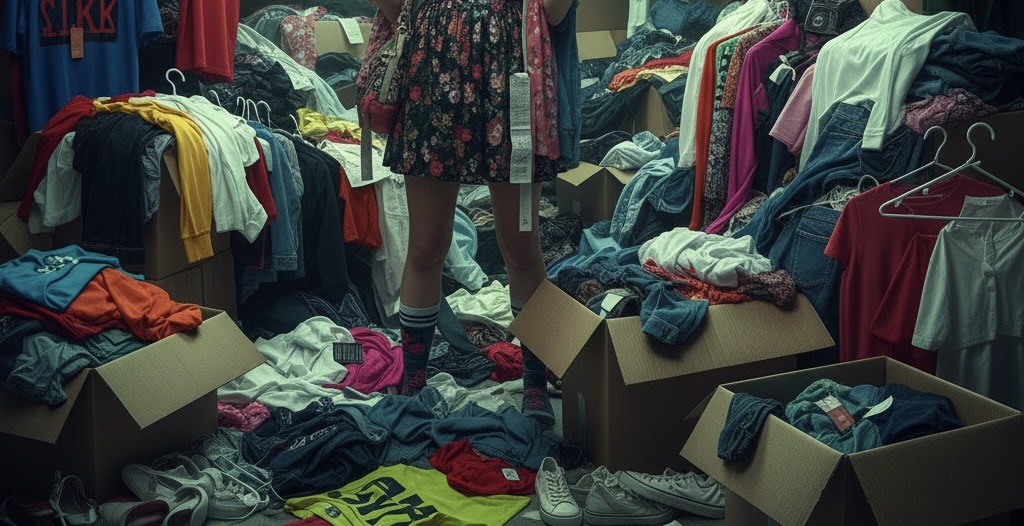
The Space Opened by Imperfection – Sabi
For a long time, fashion has chased perfection. Yet remembering that fashion is not only about what we wear, but also about how we think, opens up room for fashion to breathe. The acceptance of imperfection, aging, and impermanence makes both an aesthetic and an ethical transformation possible.
What is expected of the designers of the future is not the production of flawless collections, but the recognition of their own imperfections. Originality becomes a much deeper matter than merely creating aesthetic difference. The designer’s personal story, geography, cultural memory, and political stance become inseparable parts of the design itself.
“Why does this garment exist?” The answer is not found in runway trends, but in the relationship the designer establishes with the world. An activist sensibility does not have to shout slogans out loud.
As our capacity expands, our awareness diminishes; create small gaps that allow us to capacity momentarily escape our greater anxieties, yet never truly save us. We form habits and turn them into addictions. The wabi-wabi of dressing begins to wander precisely through these spaces in our minds. We purchase not only products, but also dreams, our relationships, and ourselves. we purchase not only products, but also our dreams, our relationships, and ourselves. We wear people as if they were garments, then look in the mirror to see how they sit on us. Are we comfortable inside them, or do we simply want to look beautiful? We sit in meeting rooms wearing blazer jackets that cover our colorful tattoos in order to be taken seriously, alongside people we would never wear on our bodies. Afraid of being simple, we dress so much in the name of being different that we end up becoming extremely simple. Sometimes, wearing fewer pieces can cost more than wearing many. Our wardrobes still hold our favorite items, yet they coexist with countless unworn clothes. We cannot change this cycle, because it operates as a reflection of our very existence. Just as we ourselves are a garment, too.